

A Business Model Built Around Demand, Development, and Distribution


25+
Years of operating history
10,000+
Retail sales points
WYNIE’s business model is built around a practical sequence
Understand demand, develop the right product, coordinate supply, and move products into retail channels with consistency.
Contact WYNIE

Process
From Market Need to Retail Availability
WYNIE’s model is designed to turn market signals into products that can be developed, sourced, delivered, and supported in retail. The focus is not only on identifying opportunity, but on executing it responsibly.
01
Market Demand
WYNIE evaluates product opportunities through retailer feedback, category behavior, regional preferences, and consumer demand signals.
02
Product Development
The company turns validated opportunities into product concepts, category ranges, packaging direction, and retail-ready assortments.
03
Sourcing & Supply
WYNIE coordinates with manufacturing and supply partners to support quality, timing, cost discipline, and repeatability.
04
Retail Distribution
Products move through B2B retail channels, helping partners respond to changing consumer demand with relevant and accessible categories.
What Makes the Model Work
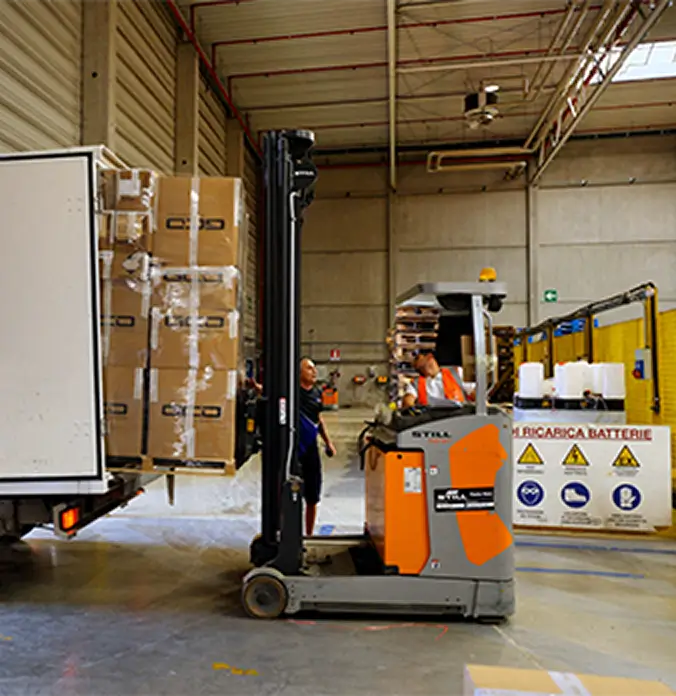
WYNIE’s model depends on coordination. Product decisions, supplier relationships, inventory planning, logistics, and retail feedback all need to work together for the company to move with speed and control.
Market-Led Decisions
Retail feedback and category performance help WYNIE understand what each market can support before product decisions are made.
Integrated Operations
Product development, sourcing, logistics, and distribution are connected through operating processes designed to reduce friction between idea and shelf.
Supplier Relationships
Supplier coordination helps WYNIE manage product availability, quality expectations, timing, and category flexibility.
Retail Insight
Ongoing retail feedback helps WYNIE understand what is selling, what is changing, and where new category opportunities may exist.
Practical Technology
WYNIE uses operational systems to improve visibility across product movement, inventory, demand signals, and retail distribution.